Diabetes affects millions worldwide, but with proper management and lifestyle modifications, patients can lead healthy, fulfilling lives. Our endocrinology experts share evidence-based strategies for controlling blood sugar levels, preventing complications, and improving overall quality of life through diet, exercise, and medication adherence.
Understanding Blood Sugar Control
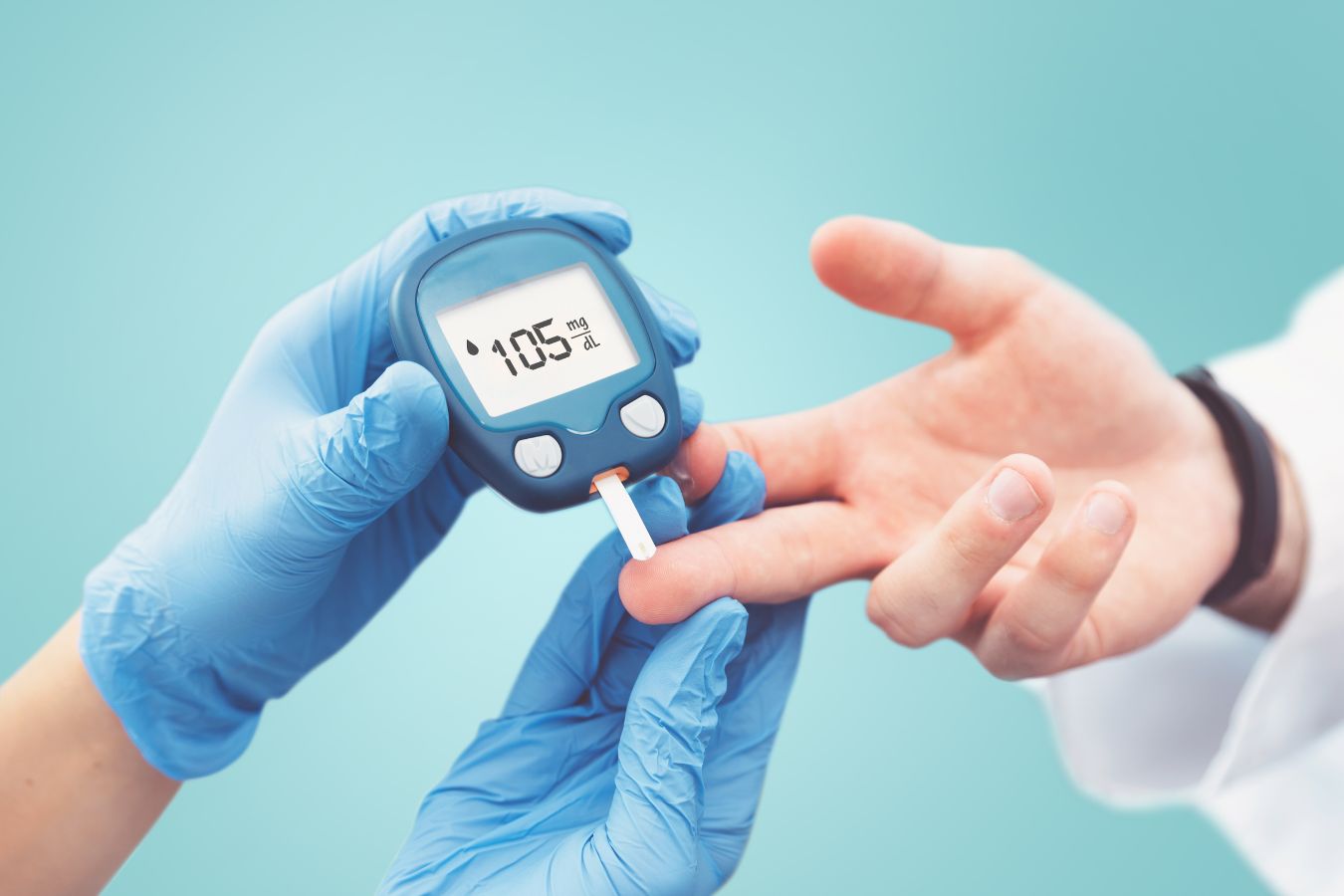
The cornerstone of diabetes management is maintaining blood glucose levels within target ranges. This involves understanding your HbA1c levels, which provide a three-month average of your blood sugar control. Regular monitoring with a glucometer or continuous glucose monitor (CGM) helps you understand how food, activity, and medication affect your levels.
Dietary Modifications for Diabetes
Choosing the right foods is crucial for managing diabetes. Focus on foods with a low glycemic index that won't cause rapid spikes in blood sugar:
- Whole grains like quinoa, brown rice, and oats
- Lean proteins including fish, chicken, and legumes
- Non-starchy vegetables such as leafy greens, broccoli, and peppers
- Healthy fats from nuts, avocados, and olive oil
- Portion control and consistent meal timing
Exercise and Physical Activity
Regular physical activity improves insulin sensitivity and helps control blood sugar levels. Aim for at least 150 minutes of moderate-intensity exercise per week, such as brisk walking, swimming, or cycling. Strength training twice a week also helps build muscle mass, which improves glucose metabolism.
Stress Management
Chronic stress raises cortisol levels, which can increase blood sugar. Incorporate stress-reduction techniques like meditation, deep breathing exercises, yoga, or engaging in hobbies you enjoy. Quality sleep is equally important—aim for 7-9 hours per night.
Medication Adherence
If prescribed medication or insulin, take it exactly as directed by your endocrinologist. Never adjust doses without consulting your healthcare provider. Keep track of how different medications affect your blood sugar and report any concerns during follow-up appointments.
When to Consult Your Doctor
Schedule regular check-ups with your endocrinologist to monitor your diabetes management. Seek immediate medical attention if you experience:
- Persistent high or low blood sugar readings
- Symptoms of diabetic ketoacidosis (fruity breath, nausea, confusion)
- Foot wounds that don't heal
- Vision changes or eye problems
- Numbness or tingling in extremities
Key Takeaway
Managing diabetes is a lifelong commitment, but with the right lifestyle changes, regular monitoring, and medical support, you can prevent complications and maintain excellent quality of life. Small, consistent changes make the biggest difference over time.