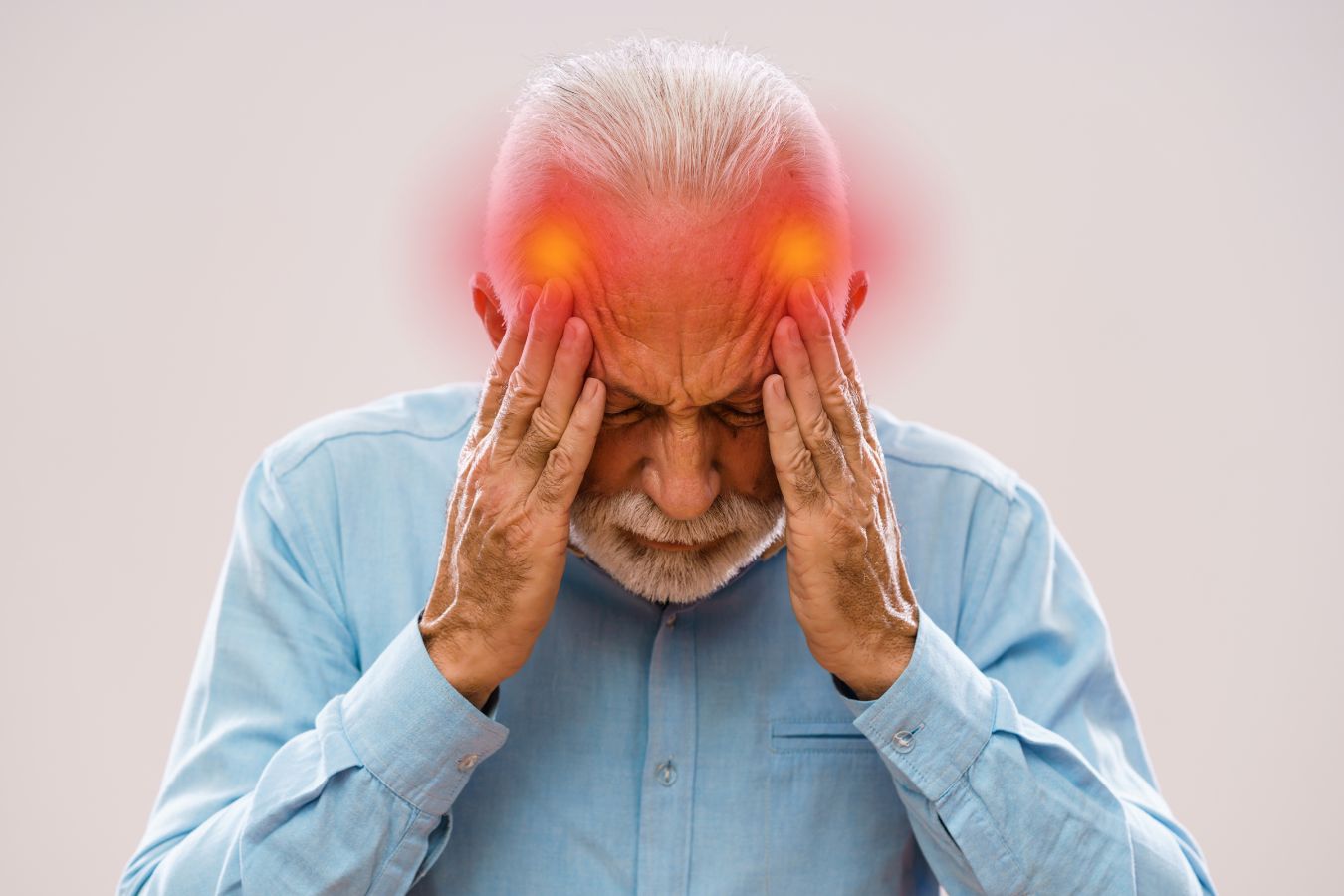
Every second counts when it comes to stroke. As a leading cause of disability and death, stroke requires immediate medical attention to minimize brain damage and maximize recovery potential. Our stroke unit specialists emphasize the critical importance of recognizing warning signs using the F.A.S.T. acronym: Face drooping, Arm weakness, Speech difficulty, Time to call emergency services.
Remember F.A.S.T.
-
F
Face Drooping: Ask the person to smile. Does one side of the face droop or feel numb?
-
A
Arm Weakness: Ask the person to raise both arms. Does one arm drift downward?
-
S
Speech Difficulty: Ask the person to repeat a simple sentence. Is speech slurred or strange?
-
T
Time to Call Emergency: If you observe any of these signs, call emergency services immediately. Note the time symptoms began.
Types of Stroke
Understanding the two main types of stroke:
- Ischemic Stroke (87% of cases): Caused by a blood clot blocking an artery supplying the brain. Often treatable with clot-busting medication if caught early.
- Hemorrhagic Stroke: Caused by a ruptured blood vessel bleeding into the brain. Requires different treatment approach, often surgical intervention.
Additional Warning Signs
Beyond F.A.S.T., watch for these symptoms:
- Sudden severe headache with no known cause
- Sudden trouble seeing in one or both eyes
- Sudden confusion or trouble understanding speech
- Sudden trouble walking, dizziness, loss of balance or coordination
- Numbness or weakness, especially on one side of the body
The Critical Time Window
Time is brain—every minute of delay means more brain cells die:
- 0-4.5 hours: "Golden window" for clot-busting tPA medication
- 0-24 hours: Window for mechanical thrombectomy (clot removal)
- Early treatment: Dramatically improves outcomes and reduces disability
Risk Factors for Stroke
Knowing your risk factors empowers prevention:
- High blood pressure (most important modifiable risk factor)
- Atrial fibrillation and other heart conditions
- Diabetes
- High cholesterol
- Smoking and tobacco use
- Obesity and physical inactivity
- Previous stroke or TIA (transient ischemic attack)
Transient Ischemic Attack (TIA)
Often called a "mini-stroke," a TIA produces stroke-like symptoms that resolve within 24 hours (usually within an hour). While temporary, TIAs are serious warning signs:
- 1 in 3 people who experience TIA will have a major stroke
- Nearly half of all strokes occur within the first few days after TIA
- Seek immediate medical evaluation even if symptoms resolve
Prevention Strategies
Up to 80% of strokes are preventable through lifestyle modifications:
- Control blood pressure through diet, exercise, and medication
- Manage diabetes with proper treatment and monitoring
- Maintain healthy cholesterol levels
- Exercise regularly (150 minutes weekly)
- Eat a Mediterranean or DASH diet
- Quit smoking and limit alcohol
- Treat atrial fibrillation with anticoagulants if prescribed
Critical Reminder
Never ignore stroke symptoms or wait to see if they go away!
Call emergency services immediately if you suspect stroke. Fast treatment can save lives, prevent disability, and maximize recovery. Every minute matters.